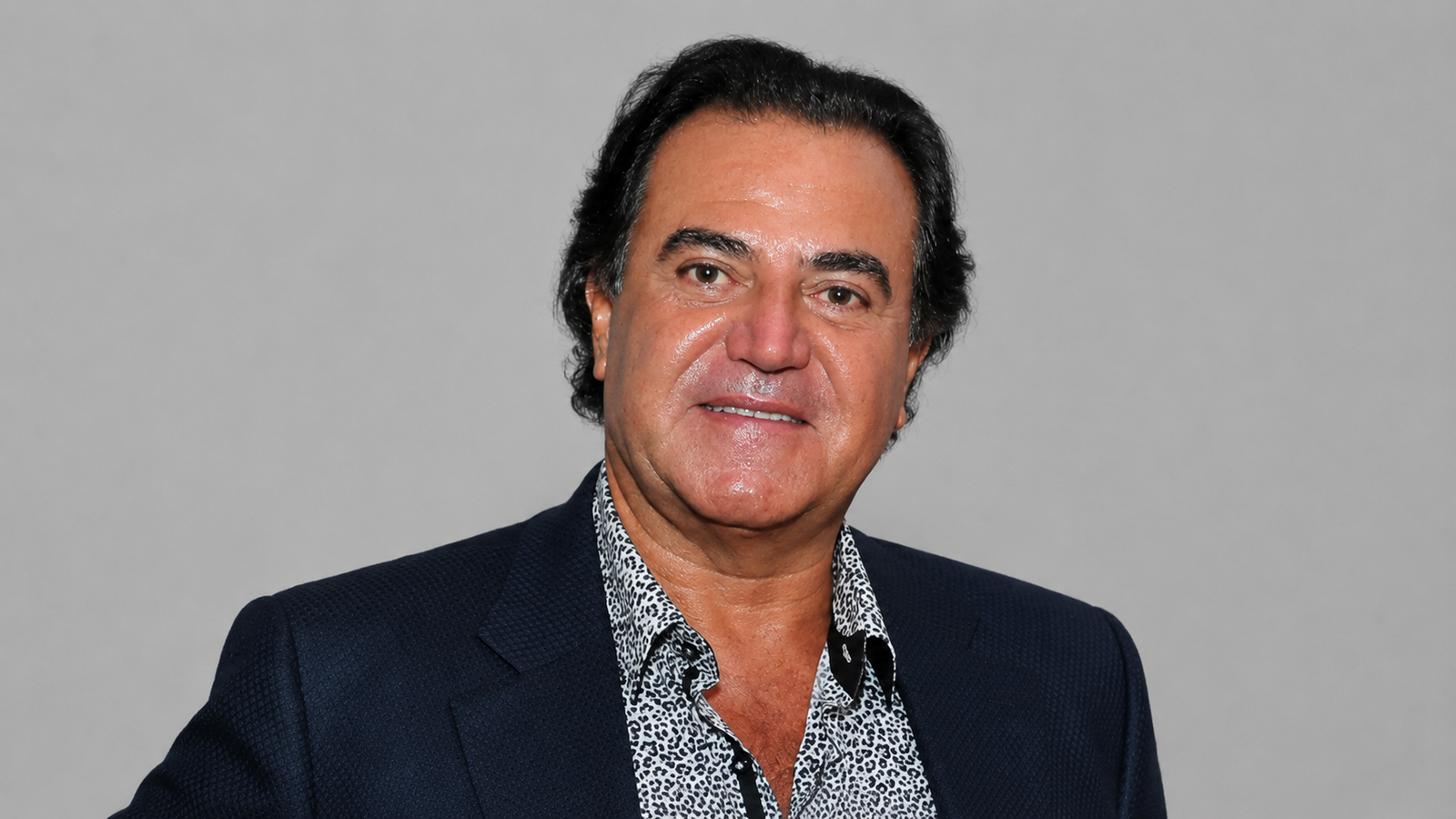
Simon Halabi is a name that continues to attract attention in discussions about real estate wealth, commercial property investment, and the dramatic effects of financial market cycles. Once considered one of the richest individuals in the United Kingdom, Halabi built an enormous property empire that included landmark buildings, prestigious developments, and billions of pounds worth of commercial assets. His journey from a Syrian-born entrepreneur to a globally recognized property billionaire represents one of the most remarkable success stories in British real estate history.
At the height of his career, Simon Halabi appeared on major rich lists and controlled some of London’s most valuable commercial properties. His investments extended across office towers, luxury developments, hospitality projects, and business ventures that positioned him among the elite figures of the property world. However, the same aggressive expansion strategy that helped create his fortune also exposed him to significant financial risk. When the global financial crisis struck, his empire faced unprecedented challenges that ultimately led to bankruptcy and the loss of many of his prized assets.
Today, Simon Halabi’s story is studied not only as a tale of extraordinary wealth creation but also as a powerful lesson about leverage, risk management, and the unpredictable nature of property markets. His rise and fall continue to fascinate investors, business analysts, and real estate professionals worldwide.
Early Life and Entrepreneurial Background
Simon Halabi, born Bassam Simon Halabi in Syria in August 1958, grew up in a family involved in business activities. His early exposure to commerce helped shape the entrepreneurial mindset that would later define his career. While many future business leaders begin with formal financial training or corporate careers, Halabi followed a path driven by investment opportunities and strategic acquisitions.
After relocating to the United Kingdom, he began establishing himself within the British business environment. During the 1980s and early 1990s, he focused on identifying investment opportunities that could generate long-term growth. The United Kingdom was experiencing significant economic changes during this period, creating opportunities for ambitious investors willing to take calculated risks.
Halabi quickly recognized the potential of commercial real estate as a wealth-building vehicle. Rather than concentrating on residential housing, he focused on large-scale commercial assets, office buildings, and development opportunities. This approach distinguished him from many property investors of the time and allowed him to build a portfolio capable of generating substantial value during periods of economic expansion.
As London’s global importance increased, demand for premium commercial space grew rapidly. International businesses, financial institutions, and multinational corporations sought prestigious office locations, creating favorable conditions for investors with significant property holdings. Halabi positioned himself perfectly to benefit from these trends.
Building One of Britain’s Largest Property Portfolios
The foundation of Simon Halabi’s wealth was built through strategic acquisitions of high-value commercial real estate. Rather than pursuing small projects, he focused on acquiring landmark buildings and premium assets that offered both rental income and long-term appreciation potential.
His investment strategy revolved around identifying properties located in prime business districts. These assets often attracted major corporate tenants willing to pay premium rents for prestigious locations. As a result, Halabi’s portfolio generated significant income while simultaneously increasing in value as property prices rose.
Throughout the late 1990s and early 2000s, London’s commercial property market experienced substantial growth. Financial services firms expanded aggressively, foreign investment poured into the city, and demand for office space reached record levels. These market conditions significantly increased the value of Halabi’s holdings.
By continuously expanding his portfolio, he established himself as one of Britain’s most influential property investors. Financial institutions eagerly financed acquisitions, believing that continued growth in commercial real estate values would support future expansion. This access to capital enabled Halabi to pursue increasingly ambitious investments and development opportunities.
His reputation grew alongside his portfolio, and he became widely recognized within property circles as an investor capable of completing major transactions involving some of the country’s most valuable assets.
Simon Halabi’s Involvement in The Shard
One of the most notable aspects of Simon Halabi’s career was his connection to The Shard, which would eventually become one of the most recognizable buildings in Europe. Long before the skyscraper became a defining feature of London’s skyline, Halabi held a significant ownership stake in the project.
The Shard represented a bold vision for modern London architecture. Designed to transform the city’s skyline, the development attracted international attention because of its scale, design, and strategic location near London Bridge. Halabi’s involvement demonstrated his willingness to invest in projects that many considered ambitious or even risky at the time.
His stake in The Shard reinforced his image as a forward-thinking developer capable of identifying transformational opportunities. The project aligned perfectly with his broader investment philosophy, which emphasized iconic properties capable of generating substantial long-term value.
Although later financial difficulties forced changes in ownership structures, Halabi’s role during the project’s early development remains an important part of his legacy. The Shard eventually became one of London’s most successful and internationally recognized commercial developments.
Major Real Estate Holdings and Business Assets
Beyond The Shard, Simon Halabi assembled a remarkable collection of commercial properties and investment assets. His portfolio included office towers, mixed-use developments, business parks, and numerous properties occupied by leading corporations.
Many of these assets were located in central London, where demand for premium commercial space remained exceptionally strong. The concentration of financial institutions, legal firms, and international businesses created favorable conditions for property owners with high-quality office buildings.
Halabi’s holdings generated revenue through long-term lease agreements, helping support further expansion. As rental income increased and property values appreciated, his overall wealth rose dramatically. This combination of income generation and capital growth made commercial real estate one of the most effective wealth-building tools available during that period.
His growing influence extended beyond property ownership. Within the business community, he became known as an investor capable of completing major acquisitions and participating in some of the country’s most significant real estate transactions.
As market conditions remained favorable, the value of his portfolio continued to climb, pushing him closer to billionaire status.
Mentmore Towers and an Ambitious Luxury Vision
Among Simon Halabi’s most ambitious investments was Mentmore Towers, a historic estate widely regarded as one of Britain’s most impressive country houses. The property carried immense historical significance and offered enormous development potential.
Halabi envisioned transforming the estate into an ultra-luxury destination featuring world-class hospitality facilities. Plans reportedly included luxury accommodations, conference spaces, wellness facilities, and exclusive guest experiences designed to attract affluent international travelers.
The project attracted substantial public interest because of both the property’s history and the scale of the proposed redevelopment. Many observers viewed the initiative as one of the most ambitious luxury hospitality projects planned in the United Kingdom.
Despite the excitement surrounding the proposal, progress proved difficult. Regulatory challenges, financing requirements, and changing market conditions complicated development efforts. As financial pressures increased following the global economic downturn, the project’s future became increasingly uncertain.
Mentmore Towers ultimately became one of the most discussed examples of unrealized potential within Halabi’s broader property empire.
Becoming a Billionaire and Appearing on Rich Lists
The mid-2000s marked the peak of Simon Halabi’s financial success. During this period, he appeared on various wealth rankings that tracked the fortunes of the world’s richest individuals. Estimates suggested his net worth had reached several billion dollars, placing him among Britain’s wealthiest business figures.
The rapid increase in his wealth was closely linked to rising property valuations. Commercial real estate prices surged as investors competed for prime assets and financial institutions provided abundant financing. This environment created extraordinary opportunities for property owners with substantial portfolios.
Halabi’s success attracted widespread media attention. Business publications frequently highlighted his investments, development projects, and growing influence within the property sector. He became a symbol of the wealth that could be generated through strategic real estate investment.
At the height of his career, he represented the modern property billionaire—an entrepreneur who had built a fortune through ambitious acquisitions, careful market positioning, and confidence in long-term property appreciation.
His achievements reflected the broader optimism that characterized global property markets before the financial crisis.
Diversification Through Esporta and Other Ventures
Although real estate remained the foundation of his fortune, Simon Halabi sought opportunities beyond property ownership. One of his most significant diversification efforts involved acquiring the health club chain Esporta.
The acquisition reflected a strategy aimed at expanding revenue streams and reducing dependence on property-related income. At the time, premium fitness clubs appeared to offer strong growth potential due to increasing consumer interest in health, wellness, and luxury lifestyle services.
However, operating a nationwide fitness business presented challenges different from managing commercial real estate investments. The health club industry required ongoing operational expertise, customer retention strategies, and substantial management resources.
As economic conditions weakened, many discretionary spending categories experienced declines, affecting businesses dependent on consumer spending. These challenges added pressure to Halabi’s wider business interests and contributed to financial difficulties that would emerge during the global downturn.
The Esporta experience highlighted the complexities of diversification and demonstrated that success in one industry does not always guarantee success in another.
The Financial Crisis and Collapse of a Property Empire
The global financial crisis of 2008 dramatically changed Simon Halabi’s financial position. Property values declined sharply across many markets, lenders became increasingly cautious, and highly leveraged investors faced growing pressure from creditors.
Because much of Halabi’s expansion had been financed through borrowing, declining asset values created serious challenges. Properties that had once supported large loans suddenly became worth significantly less, reducing financial flexibility and increasing lender concerns.
Commercial real estate markets experienced widespread disruption. Transaction activity slowed, financing became scarce, and investor confidence weakened. These conditions affected property owners throughout the industry, but investors carrying substantial debt faced the greatest risks.
As asset values continued falling, Halabi’s financial position deteriorated rapidly. Creditors sought repayment, restructuring efforts intensified, and pressure mounted across various parts of his business empire.
The crisis demonstrated how quickly market conditions can reverse and how leverage can magnify both gains and losses.
Bankruptcy, Asset Losses, and Public Scrutiny
By 2009, the challenges facing Simon Halabi had become severe. Reports indicated that major debts associated with his property holdings had entered default, prompting intervention from lenders and financial institutions.
Over time, control of several important assets shifted away from Halabi as restructuring efforts progressed. Receivers, administrators, and creditors became involved in managing properties that had once represented the core of his wealth.
In 2010, he was declared bankrupt in London, marking one of the most dramatic reversals of fortune seen among British property investors. For many observers, the bankruptcy symbolized the broader impact of the global financial crisis on highly leveraged real estate entrepreneurs.
Media coverage intensified during this period, focusing on both his financial difficulties and various legal matters that attracted public attention. As a result, discussions about Halabi increasingly centered on his downfall rather than the remarkable success that had preceded it.
Despite these challenges, his story remains an important chapter in the history of British commercial property.
Read more: simon halabi
Legacy and Lessons from Simon Halabi’s Career
Simon Halabi’s career continues to offer valuable lessons for investors, entrepreneurs, and business leaders. His rise illustrates the enormous wealth that can be created through strategic property investment, particularly during periods of economic growth and rising asset values.
At the same time, his experience demonstrates the importance of managing risk, maintaining financial flexibility, and avoiding excessive dependence on borrowed capital. The factors that accelerated his success also increased his vulnerability when market conditions changed.
For real estate professionals, Halabi’s story serves as a reminder that even the most valuable portfolios can face significant challenges during economic downturns. Market cycles, financing conditions, and investor sentiment can dramatically affect asset values and business stability.
Today, Simon Halabi remains a notable figure in discussions about commercial property, wealth creation, financial leverage, and business resilience. His journey from billionaire status to bankruptcy continues to captivate those interested in entrepreneurship and real estate investment.
Conclusion
The story of Simon Halabi is one of extraordinary ambition, remarkable success, and dramatic financial reversal. From his early beginnings to becoming one of Britain’s richest property investors, he built an empire that included some of the country’s most prestigious assets and development projects. His involvement in landmark developments, luxury hospitality ventures, and major commercial properties cemented his reputation as a powerful force in the real estate industry.
Yet his career also highlights the risks associated with rapid expansion and heavy reliance on debt. The global financial crisis exposed vulnerabilities that ultimately transformed his fortunes and reshaped his legacy. While his downfall attracted significant attention, it should not overshadow the scale of his achievements or the influence he had on the British property market.
Ultimately, Simon Halabi’s life serves as both an inspiration and a cautionary tale. His journey demonstrates the potential rewards of vision, determination, and entrepreneurial thinking, while also emphasizing the importance of prudent financial management and long-term resilience. For anyone interested in property investment, business growth, and wealth creation, the story of Simon Halabi remains a compelling and educational example.