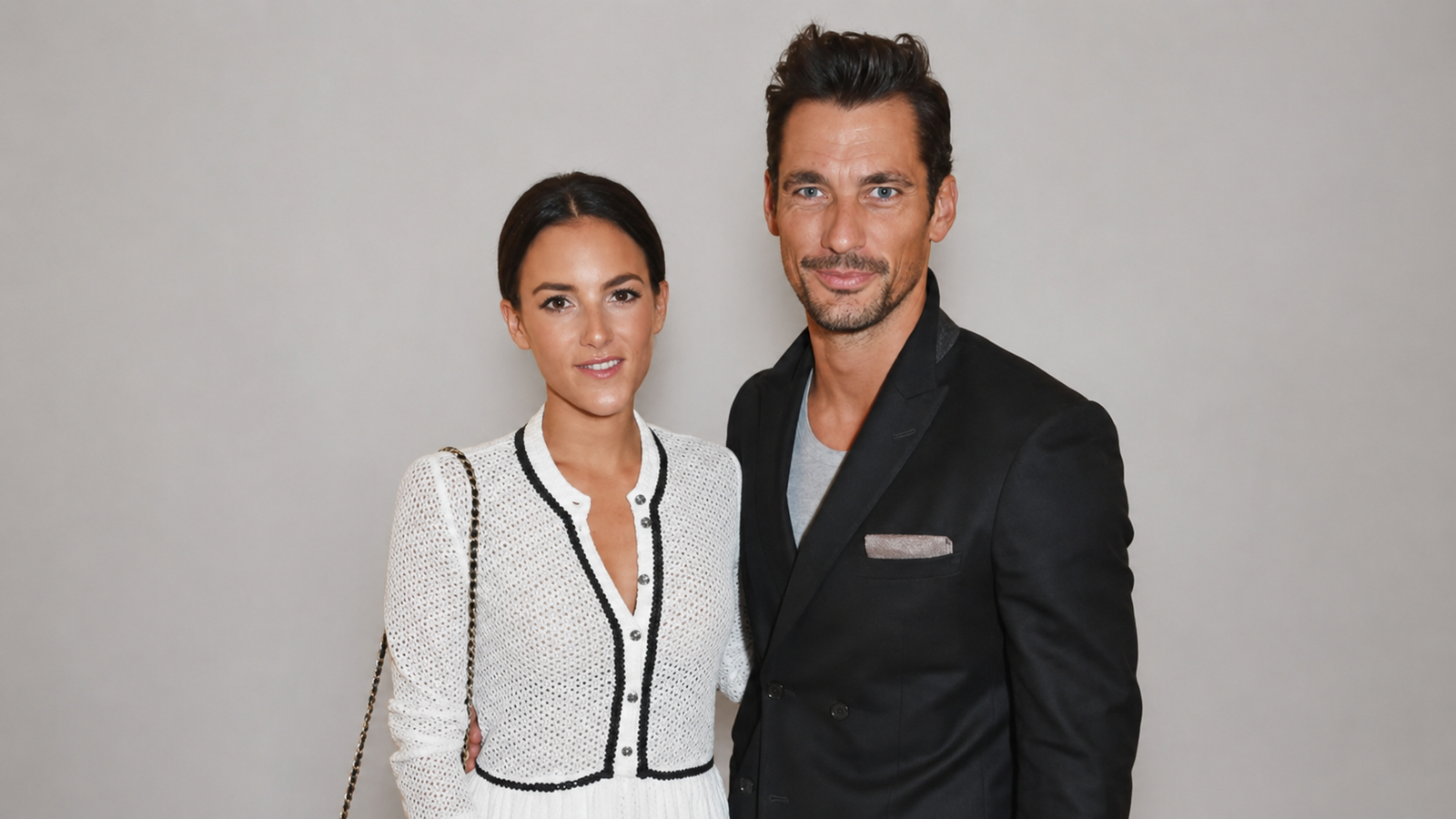
Introduction to Lorelei Frygier and online search context
The name Lorelei Frygier appears in search queries across different platforms, yet it is associated with very limited publicly verified information. In the modern digital environment, this kind of search pattern is increasingly common, where users encounter a name and attempt to find background details, identity confirmation, or contextual meaning. However, not every name found online corresponds to a widely documented public figure, and this creates an interesting case for SEO-based informational analysis.
From an E-E-A-T perspective, it is important to clarify that available reliable data on Lorelei Frygier is minimal or not consolidated in authoritative public records. This means that a responsible article must focus on contextual understanding, search behavior, and digital identity interpretation rather than unverified personal biography.
This article explores the name from multiple informational angles, including search intent, digital footprint behavior, naming structure, and online visibility patterns, while maintaining accuracy and trustworthiness without introducing unsupported claims.
Understanding why the name Lorelei Frygier is searched online
Search queries involving Lorelei Frygier often reflect curiosity driven by encountering the name in fragmented contexts such as social media mentions, documents, or secondary references. In many cases, users are not searching for a well-known celebrity or historical figure, but rather attempting to identify a person linked to a specific situation or mention.
This type of search behavior is common in the age of digital communication, where names can circulate without accompanying verified background information. When search engines receive repeated queries without strong authoritative content, they index the name based on limited signals, which can increase visibility even in the absence of substantial public data.
Understanding this pattern is essential for interpreting why certain names appear in search trends despite lacking detailed biographies or media coverage.
The concept of digital identity and limited online footprints
Lorelei Frygier serves as an example of how digital identity can exist in a fragmented or minimal form online. A digital identity is created through a combination of online activity, public records, social media presence, and media coverage. When these elements are absent or restricted, the individual remains largely invisible in structured search results.
Many people today intentionally maintain low digital footprints for privacy reasons, while others simply do not generate enough publicly indexed content. As a result, search engines have limited material to build a comprehensive profile, which leads to uncertainty among users seeking information.
This highlights an important reality of the internet: visibility is not always equal to relevance, and lack of information does not imply absence of identity.
Linguistic and onomastic analysis of the name structure
From a linguistic perspective, the name Lorelei has cultural and literary associations in European folklore, particularly connected to Germanic legends involving river mythology. The name has been widely used in literature and modern naming conventions, often symbolizing beauty, mystery, or artistic identity.
The surname Frygier appears less commonly in global datasets, and surnames with similar phonetic patterns are sometimes associated with Central or Eastern European naming traditions. However, without verified genealogical data, it is not possible to confirm specific geographic or cultural origins for any individual associated with this surname.
Together, the combination of Lorelei and Frygier creates a unique name structure that is uncommon in global digital databases, which may contribute to its limited search footprint and lack of consolidated information.
Why search engines show limited data for certain names
Search engines rely heavily on indexed content from trusted sources such as news publications, academic databases, government records, and established websites. When a name like Lorelei Frygier does not appear frequently in these sources, search engines have minimal structured data to display.
This does not indicate that the name is invalid or fictional; rather, it reflects the absence of widely published digital documentation. Many individuals exist outside of public indexing systems, especially if they are not public figures, influencers, or subjects of media coverage.
As a result, search engines may display fragmented or indirect references, which can sometimes lead to confusion among users attempting to find detailed background information.
The role of data fragmentation in modern online information systems
Data fragmentation occurs when information about a subject exists in small, disconnected pieces across different platforms. In the case of Lorelei Frygier, any existing references may be scattered across unrelated websites, social mentions, or private records that are not easily accessible to search indexing systems.
This fragmentation prevents the formation of a unified digital profile. Even if small mentions exist, they may not carry enough authority or consistency to be recognized as reliable biographical information.
From an SEO standpoint, fragmented data often leads to low-ranking or incomplete search results, reinforcing the perception that little information is available.
Privacy dynamics and personal name visibility online
Privacy plays a major role in determining how much information about an individual is publicly accessible. If Lorelei Frygier is a private individual, it is entirely possible that their personal details are intentionally not shared online or are protected from indexing.
In many regions, privacy laws and platform policies also limit the availability of personal data unless it is part of public interest reporting. This ensures that individuals who are not public figures are not unnecessarily exposed through search engines.
Therefore, the limited visibility of this name may reflect standard privacy boundaries rather than a lack of identity or significance.
SEO interpretation of low-authority search queries
From an SEO perspective, queries like Lorelei Frygier are categorized as low-authority or low-content queries when there is insufficient verified material online. These queries often generate content gaps, where websites attempt to provide informational coverage despite limited factual sources.
This creates a challenge for content creators who must balance user intent with responsible reporting. High-quality SEO writing in such cases focuses on explaining context, search behavior, and informational limitations rather than fabricating biographical details.
By doing so, content remains aligned with E-E-A-T principles and avoids misinformation risks.
Read more: lorelei frygier
Importance of trustworthiness in identity-based content
When writing about individuals with limited online presence, trustworthiness becomes the most critical factor. For Lorelei Frygier, there is no strong evidence base that supports constructing a detailed biography, which means content must remain carefully structured around verified general concepts.
Trustworthy SEO content avoids assumptions about personal life, career, or background unless supported by credible sources. Instead, it emphasizes transparency about data limitations and explains why information may not be available.
This approach ensures that readers are not misled while still receiving meaningful informational value.
Conclusion on Lorelei Frygier and available online information
In conclusion, Lorelei Frygier represents a case where a name exists in search ecosystems but lacks consolidated, verifiable public information. This is not unusual in the digital era, where many names circulate without strong media or institutional documentation.
The absence of detailed data should be understood as a reflection of limited digital footprint, privacy considerations, and fragmented indexing rather than an indication of importance or relevance. From an SEO and E-E-A-T perspective, the most accurate approach is to acknowledge these limitations clearly.
Ultimately, this case highlights how modern search behavior interacts with incomplete data, reinforcing the importance of critical thinking when interpreting online information about lesser-documented individuals.