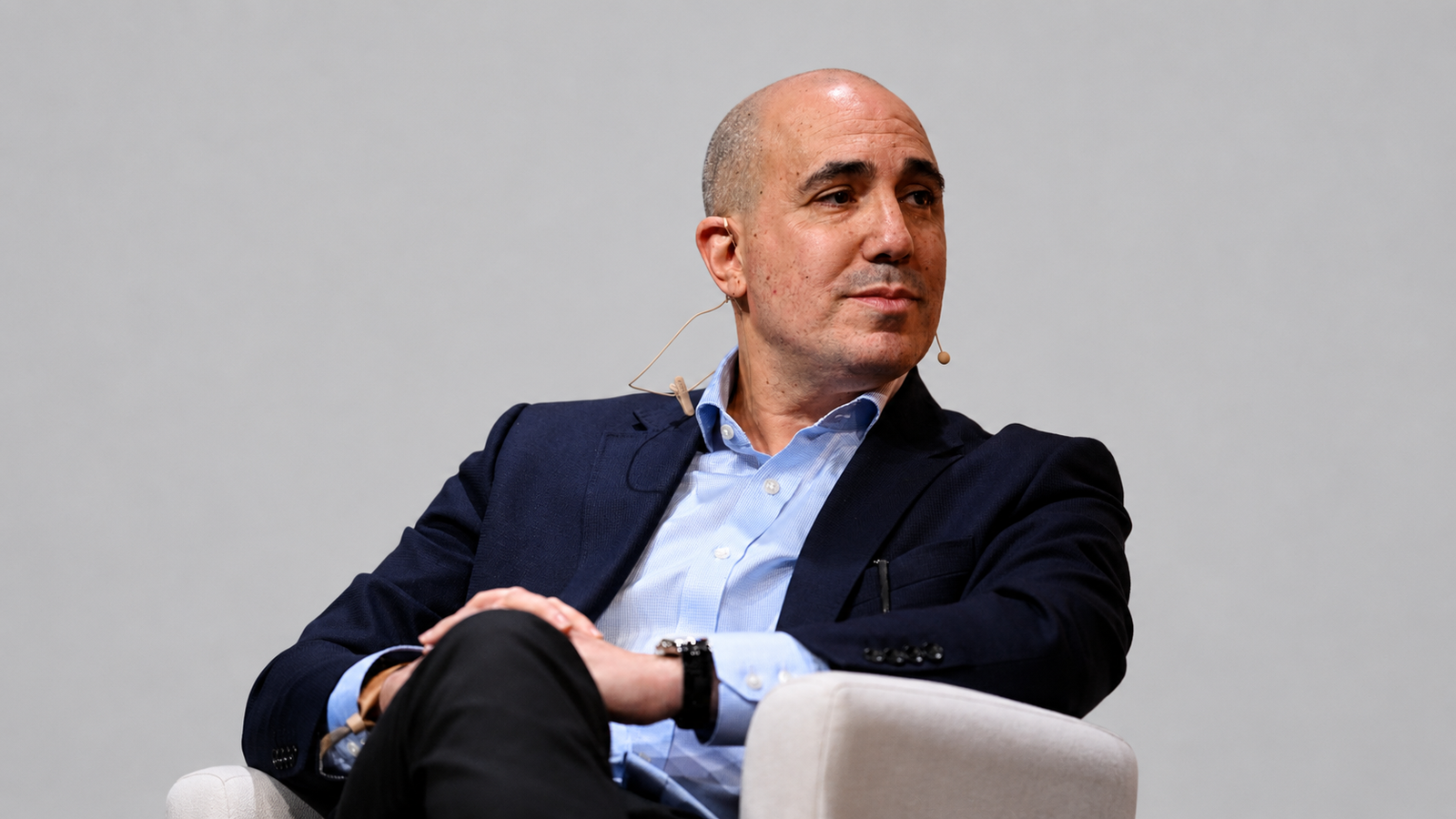
Omar Berrada is a highly respected football executive who has become one of the most talked-about figures in modern European football administration. Known for his strategic thinking, operational expertise, and ability to manage complex football organizations, he has worked with some of the most influential clubs in the world, including FC Barcelona, Manchester City, and Manchester United. His career reflects the growing importance of executive leadership in football, where success is no longer defined only by what happens on the pitch but also by how efficiently a club is run behind the scenes.
He is widely recognized as part of a new generation of football leaders who combine business intelligence with sporting understanding. His journey from commercial roles to becoming the Chief Executive Officer of Manchester United highlights how modern football governance has evolved into a global, corporate-driven industry.
Early Life and Background of Omar Berrada
Omar Berrada was born in 1978 and has Moroccan roots, though his upbringing and professional development took place primarily in Europe. His multicultural background played an important role in shaping his worldview, especially in understanding how football operates as both a sport and a global business. This international exposure later helped him adapt to different football cultures and organizational structures across Spain and England.
From an early stage, Berrada did not follow the traditional path of professional footballers or coaches. Instead, his interests were more aligned with business systems, communication, and organizational management. This foundation eventually guided him toward football administration, where strategic planning and operational leadership are just as important as sporting knowledge.
Education and Early Career Development
Omar Berrada pursued studies related to business and management, which gave him a structured understanding of corporate operations, economics, and organizational strategy. These academic foundations later became essential in his football career, especially when dealing with large-scale club operations and commercial expansion strategies.
His early professional steps were not directly in football performance but in commercial and marketing-related roles. This allowed him to understand how football clubs generate revenue, build global brands, and manage international partnerships. These experiences became the foundation for his transition into elite football organizations, where business and sport are deeply interconnected.
Experience and Growth at FC Barcelona
A major turning point in Omar Berrada’s career came when he joined FC Barcelona. At the time, Barcelona was not only a dominant football team but also one of the most powerful global sports brands. Working in such an environment exposed him to elite-level football operations, where performance on the field had to be matched with excellence in branding, sponsorship, and international marketing.
During his time at Barcelona, Berrada was involved in commercial and strategic operations that supported the club’s global expansion. This included understanding how a top-tier football club balances financial sustainability with sporting success. The experience helped him develop a strong understanding of how elite clubs operate as global institutions rather than just sporting teams.
Rise within City Football Group
After his time in Spain, Omar Berrada moved to the City Football Group (CFG), an organization known for its multi-club ownership model. CFG includes Manchester City as its flagship club along with several other teams across different continents. This structure requires highly sophisticated coordination and strategic planning across multiple football markets.
At CFG, Berrada’s role expanded significantly as he became involved in overseeing broader operational systems. The multi-club model required consistency in philosophy, recruitment strategy, and player development pathways. His ability to manage complex systems and align different clubs under a unified vision made him an important figure within the organization.
Leadership Role at Manchester City
Omar Berrada eventually took on one of his most important roles at Manchester City, where he served as Chief Football Operations Officer. In this position, he was responsible for managing key aspects of the club’s football structure, ensuring that recruitment, planning, and performance operations worked in harmony with the club’s long-term strategy.
His time at Manchester City coincided with one of the most successful periods in the club’s history. The team achieved consistent domestic and international success, supported by a highly organized executive structure. Berrada’s contribution was largely focused on improving operational efficiency and ensuring that the football department functioned smoothly alongside commercial objectives.
Transition to Manchester United CEO Role
In 2024, Omar Berrada made a major career move when he was appointed Chief Executive Officer of Manchester United. This appointment attracted widespread attention because of the historic rivalry between Manchester United and Manchester City. His transition was seen as a bold and strategic decision by Manchester United’s leadership to modernize the club’s executive structure.
As CEO, Berrada is responsible for overseeing all aspects of the club’s operations, including football strategy, commercial development, and organizational management. His appointment represents a shift toward a more structured, data-driven approach to leadership at Manchester United, aiming to restore long-term stability and competitiveness at the highest level.
Leadership Philosophy and Management Style
Omar Berrada is known for a leadership style that emphasizes clarity, structure, and long-term vision. Rather than focusing on short-term reactions, his approach is centered on building sustainable systems that support consistent success over time. This philosophy reflects his experience in highly organized football environments such as Barcelona and Manchester City.
He also strongly believes in collaboration across departments. In modern football, success depends on how well different areas of a club work together, including coaching staff, recruitment teams, analysts, and commercial departments. Berrada’s management style encourages alignment between these groups to ensure that decisions are made in the best long-term interest of the club.
Impact on Manchester United’s Strategic Direction
Since joining Manchester United, Omar Berrada has been associated with efforts to restructure and modernize the club’s internal operations. Manchester United has faced challenges in maintaining consistent success in the Premier League era, and his role is seen as central to improving overall efficiency and decision-making processes.
His influence is expected to be felt in areas such as recruitment strategy, organizational clarity, and long-term planning. By introducing systems inspired by his previous experiences, Berrada aims to create a more stable and performance-driven environment. This transformation is not immediate but rather part of a long-term rebuilding process for one of the world’s biggest football clubs.
Read more: omar berrada
Future Outlook and Legacy of Omar Berrada
The future of Omar Berrada’s career will largely depend on how successfully he can guide Manchester United through its ongoing transformation. If the club achieves sustained improvement both on and off the pitch, his leadership will likely be seen as a defining factor in that success.
His legacy in football administration may ultimately be shaped by his ability to bridge the gap between business strategy and sporting performance. As football continues to evolve into a highly globalized and corporate-driven industry, executives like Berrada are becoming increasingly central to shaping the future of elite clubs.
Conclusion
Omar Berrada’s journey from commercial roles at FC Barcelona to becoming the CEO of Manchester United reflects the evolution of modern football leadership. His career highlights how today’s football success depends not only on players and coaches but also on highly skilled executives who understand both business and sport. With his experience across some of Europe’s biggest clubs, he stands as a key figure in shaping the future direction of elite football management.