Introduction to Erica Tracey Hirshfeld and Her Public Recognition
Erica Tracey Hirshfeld is widely recognized as a media professional and producer who has built a career largely behind the scenes in the American media industry. While she is often mentioned in public discussions due to her marriage to sports media personality Peter Schrager, her own professional journey stands independently within the fields of media production, communications, and content development.
In modern digital journalism and television production, professionals like Erica play a crucial role in shaping how stories are developed, structured, and delivered to audiences. Her career represents the growing importance of production leadership in media environments where storytelling, branding, and audience engagement are deeply interconnected. Although she maintains a private lifestyle, her name appears in biographical and media-related contexts due to her professional contributions and association with high-profile media circles.
Understanding Erica Tracey Hirshfeld requires looking beyond surface-level identity and examining her background in education, production roles, and long-term involvement in media operations. Her journey reflects a blend of creative thinking, organizational leadership, and industry experience that aligns with the evolving demands of modern content production.
Early Life, Family Background, and Formative Influences
Erica Tracey Hirshfeld’s early life is generally associated with the United States, with several biographical sources linking her upbringing to Baltimore, Maryland. She grew up in an environment where education and communication were emphasized, helping shape her early interest in storytelling and structured expression.
Her formative years are often described as balanced between academic development and creative exploration. This combination is important in understanding how she later transitioned into media production, where both analytical thinking and creative execution are essential. Early exposure to communication-focused activities likely influenced her comfort with media-related environments and collaborative work.
Although she does not publicly share extensive details about her childhood, it is commonly understood that her upbringing supported intellectual curiosity and professional ambition. These early influences became the foundation for her later academic pursuits and career direction in media and communications.
Academic Journey and Development in Communication Studies
Education played a central role in Erica Tracey Hirshfeld’s development as a media professional. She is widely reported to have attended the University of Michigan, where she studied Communication and Media-related disciplines. This academic environment is known for its strong emphasis on media theory, cultural studies, and production practices.
During her university years, Erica would have been exposed to both theoretical frameworks and practical applications of communication. These include understanding audience behavior, media ethics, storytelling structures, and the technical aspects of content creation. Such knowledge is essential for anyone entering the production side of the media industry.
Her academic background is often highlighted as a key factor in her ability to succeed in production roles. The combination of structured learning and creative experimentation allowed her to build a foundation that would later support her transition into professional media environments where deadlines, collaboration, and content quality are critical.
Entry into the Media Industry and Early Professional Development
Erica Tracey Hirshfeld began her career in the media industry through entry-level production and coordination roles. Like many professionals in this field, her early responsibilities likely included assisting production teams, organizing content schedules, and supporting editing or filming processes.
These early roles are essential in media careers because they provide hands-on exposure to how content moves from concept to final output. Erica’s early professional experiences helped her understand the complexity of production workflows, including the coordination between creative teams, technical staff, and editorial decision-makers.
As she gained experience, she developed a reputation for being detail-oriented and dependable in production environments. This stage of her career was crucial because it allowed her to build trust within the industry and gradually take on more responsibility in media projects.
Career Growth, Media Production Work, and Leadership Roles
As Erica Tracey Hirshfeld progressed in her career, she transitioned into more advanced roles within media production. Her work has been associated with content development, production coordination, and strategic planning in media organizations. These responsibilities require both creative insight and strong organizational skills.
In production environments, professionals like Erica contribute to shaping the structure and delivery of media content. This includes managing timelines, supporting editorial decisions, and ensuring that production quality meets industry standards. Her career path reflects steady growth from support roles to leadership-level responsibilities in production teams.
Over time, she became recognized for her ability to manage complex workflows and contribute to high-quality media outputs. This progression demonstrates her adaptability and long-term commitment to the media industry, where competition and technological change require continuous learning and flexibility.
Marriage to Peter Schrager and Private Family Life
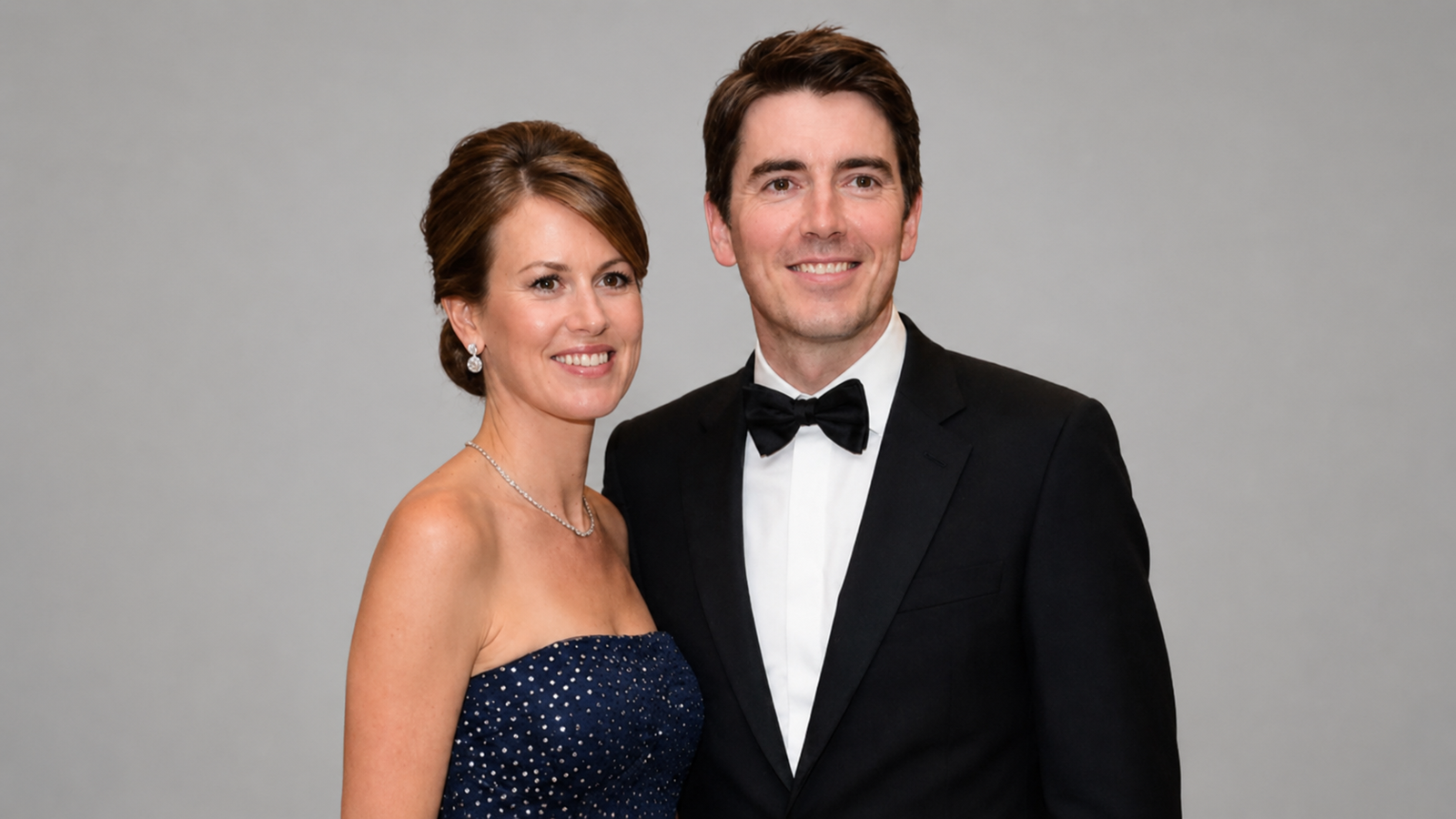
Erica Tracey Hirshfeld is also known for her marriage to Peter Schrager, a prominent sports journalist and NFL analyst. The couple reportedly met through professional media circles, sharing common interests in storytelling, communication, and broadcasting.
They married in 2013, and their relationship is often described as stable and supportive, especially considering the demanding nature of careers in media and sports journalism. While Peter Schrager maintains a public-facing role, Erica has chosen a more private lifestyle, focusing on family and professional work behind the scenes.
Their partnership reflects a balance between public visibility and private stability. Erica’s preference for privacy highlights her desire to maintain separation between personal life and public attention, which is increasingly rare in today’s media-driven culture.
Professional Identity and Role in the Modern Media Landscape
Erica Tracey Hirshfeld’s professional identity is best understood through her behind-the-scenes contributions to media production. Rather than pursuing on-camera roles or public recognition, she has focused on shaping content, managing production processes, and supporting storytelling from a structural perspective.
In today’s media landscape, professionals like Erica are essential because they ensure that content is not only engaging but also well-organized, accurate, and aligned with audience expectations. Her role represents the often-unseen layer of media production that supports journalists, broadcasters, and digital creators.
Her career reflects the growing importance of production leadership in an industry where digital transformation has increased the demand for efficient content pipelines and high-quality storytelling frameworks. Erica’s work demonstrates how media success depends on collaboration between visible and invisible contributors
Public Image, Privacy, and Media Attention
Despite being associated with a public figure, Erica Tracey Hirshfeld maintains a low public profile. She does not actively engage in media publicity or social media visibility, which contributes to her reputation as a private and reserved individual.
Most available information about her comes from professional biographies, media mentions, and indirect references rather than personal interviews or public statements. This limited visibility has helped her maintain control over her personal narrative while continuing to work in the media industry.
Her public image is generally described in positive terms, emphasizing professionalism, intelligence, and discretion. In an era where public exposure is often seen as part of success, Erica represents a different model of achievement based on privacy and behind-the-scenes influence.
Read more: erica tracey hirshfeld
Industry Influence, Work Ethic, and Long-Term Contributions
Erica Tracey Hirshfeld’s influence in the media industry is primarily reflected in her consistent contributions to production teams and content development processes. While she may not be a public-facing figure, her role in shaping media output is significant within the context of production environments.
Her work ethic is often associated with discipline, structure, and long-term consistency. These qualities are essential in media production, where deadlines, coordination, and creative accuracy must align seamlessly. Professionals like Erica ensure that media organizations function efficiently and maintain quality standards.
Over time, her contributions reflect a broader industry reality: successful media production depends not only on visible personalities but also on skilled professionals working behind the scenes to bring content to life.
Conclusion: Erica Tracey Hirshfeld’s Place in Modern Media Culture
Erica Tracey Hirshfeld represents a modern example of a media professional who has built a meaningful career away from public attention while still contributing significantly to the industry. Her journey from education in communication studies to professional media production highlights a path defined by steady growth, discipline, and adaptability.
Her marriage to Peter Schrager brought her name into public awareness, but her professional identity stands on its own within the broader media production landscape. By focusing on behind-the-scenes roles, she demonstrates how important production leadership is in shaping the quality and structure of modern media content.
Ultimately, Erica Tracey Hirshfeld’s story reflects the value of privacy, professionalism, and long-term dedication in an industry often dominated by visibility. Her career shows that influence in media does not always require being in front of the camera, but can be equally powerful behind it, where storytelling is shaped, refined, and delivered to audiences worldwide.