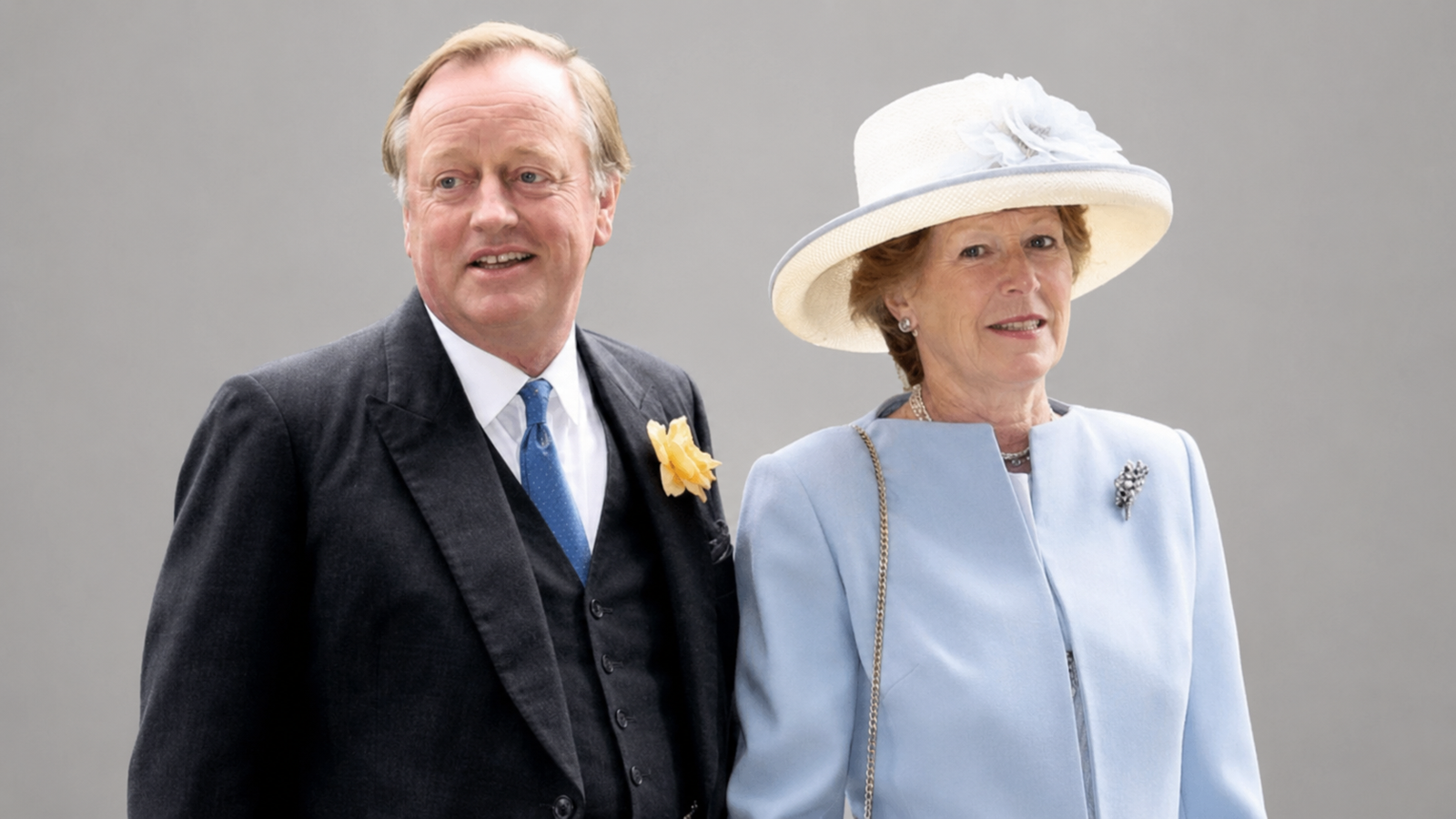
Early Life and Background of Rosemary Pitman
Rosemary Pitman was born in 1940 in Northumberland, England, into a traditional British family environment that valued stability, manners, and social responsibility. Her early life unfolded during a period shaped by the aftermath of World War II, a time when many families in Britain were rebuilding their lives and adapting to significant cultural and economic change. This background played an important role in forming her grounded personality and her appreciation for simplicity and structure in daily life.
Growing up in northern England also exposed her to natural landscapes that would later influence her creative interests. The countryside, gardens, and open green spaces of Northumberland are often associated with calmness and natural beauty, and these elements helped shape her lifelong admiration for outdoor design and environmental harmony. Even in her early years, she showed a quiet sensitivity toward aesthetics and surroundings.
Her upbringing is often described as disciplined yet nurturing, giving her a strong foundation in traditional values. These early influences would later reflect in her adult life, especially in the way she approached family responsibilities and personal relationships with a sense of dignity and restraint.
Education and Formative Influences
Rosemary Pitman’s education followed the expectations of her generation, where formal schooling was often complemented by home-based cultural learning. While detailed academic records are not widely publicized, it is understood that she developed strong communication skills, refined social awareness, and an appreciation for art, design, and literature during her formative years.
A significant part of her development came from experiential learning rather than structured academic pathways. Like many women of her social background during the mid-20th century, she was encouraged to build skills related to hospitality, social etiquette, and domestic creativity. These areas later became essential in shaping her identity as someone known for elegance and thoughtful presentation.
Her formative influences extended beyond education into lifestyle exposure. Surrounded by British traditions and countryside culture, she developed a natural interest in design balance and environmental aesthetics. This early awareness later evolved into her involvement in garden design, where she applied creativity in a practical and expressive way.
First Marriage and Family Life
Rosemary Pitman’s first marriage was to Lieutenant Colonel John Hugh Pitman, a British Army officer. This phase of her life introduced her to the structured and disciplined world of military families, where routine, relocation, and adaptability were part of everyday living. The experience helped strengthen her resilience and shaped her ability to manage responsibility under changing circumstances.
Family life became a central pillar during this period. She focused heavily on creating a stable home environment, even when military obligations required movement or extended separations. Her role as a wife and mother was defined by commitment and emotional steadiness, qualities that those close to her often associated with her personality.
This stage of her life also reinforced her preference for privacy. Rather than seeking attention or public recognition, she dedicated herself to personal relationships and domestic life. These values remained consistent throughout her later years, even as her name became more widely recognized in public discussions.
Career in Garden Design and Creative Identity
One of the most defining yet understated aspects of Rosemary Pitman’s life was her interest in garden design. She developed a reputation for having a natural eye for landscaping, plant arrangement, and outdoor aesthetics. Garden design, especially in the British tradition, combines structure with creativity, and she was known for appreciating this balance deeply.
Her approach to garden design reflected a philosophy centered on harmony and understated beauty. Rather than focusing on dramatic or overly complex arrangements, she preferred spaces that felt natural, peaceful, and welcoming. This style aligned closely with classic English garden traditions, where symmetry and natural flow coexist in subtle balance.
Over time, this creative pursuit became an important part of her identity. It provided her with a personal outlet for expression and allowed her to engage with nature in a meaningful and artistic way. Even though she was not widely publicized as a professional designer, those familiar with her work and taste often recognized her refined sense of outdoor aesthetics.
Marriage to Andrew Parker Bowles and Public Attention
Rosemary Pitman later became widely known through her marriage to Brigadier Andrew Parker Bowles, a senior British Army officer who was previously married to Queen Camilla. This connection naturally placed her within a broader public narrative tied to British royal and aristocratic circles, leading to increased media curiosity about her life.
Despite this attention, Rosemary maintained a consistent preference for privacy. She did not actively engage with public exposure and instead continued focusing on family life and personal interests. This approach helped her preserve a sense of normality even while her name occasionally appeared in public discussions related to royal connections.
Her marriage to Andrew Parker Bowles is often described as one based on companionship and shared understanding of public life pressures. Both individuals were accustomed to structured environments and social expectations, which likely contributed to their ability to maintain a balanced personal relationship despite external interest.
Life Within British High Society and Royal Connections
Through her marriage, Rosemary Pitman found herself associated with British high society, where social events, formal gatherings, and long-established traditions played a significant role. However, unlike many who actively pursue visibility in such environments, she remained notably reserved and selective in her public presence.
Her connection to circles linked with the British royal family increased curiosity about her life, especially among those interested in aristocratic and royal biographies. Yet she consistently demonstrated discretion, choosing not to become a public figure in her own right. This distinction helped shape her reputation as someone who valued privacy over publicity.
Within these social environments, she was often described as composed, polite, and observant rather than attention-seeking. Her ability to maintain authenticity in such settings contributed to the respect she received from those who knew her personally.
Personality, Lifestyle, and Public Perception
Rosemary Pitman was widely regarded as a woman of elegance, calmness, and emotional intelligence. Her personality is often described in terms of quiet strength rather than outward display. She was known for her ability to listen, observe, and respond thoughtfully in both personal and social interactions.
Her lifestyle reflected simplicity and refinement. She valued meaningful relationships, well-kept surroundings, and a sense of order in daily life. These traits aligned with her interest in garden design, where structure and natural beauty coexist. Her personality and lifestyle choices were closely interconnected, reinforcing a consistent sense of identity.
Public perception of Rosemary Pitman has remained largely positive over time. Even though she was not a public celebrity, her name continues to appear in discussions related to British society and royal associations. This ongoing interest reflects the lasting impression she made through character rather than public exposure.
Later Years and Personal Challenges
In her later years, Rosemary Pitman experienced the natural transitions that come with aging, including changes in personal circumstances and health. While she remained largely private, accounts of this stage of her life emphasize resilience and dignity in facing challenges.
She continued to prioritize close relationships and personal comfort, focusing on environments and activities that brought her peace. Gardening, family interactions, and familiar routines remained important aspects of her daily life, providing continuity and emotional stability.
Even during periods of difficulty, she is remembered as maintaining composure and grace. This ability to remain steady under changing conditions further strengthened her reputation as someone who lived with quiet strength and inner balance.
Read more: rosemary pitman
Legacy and Why Rosemary Pitman Is Still Remembered
Rosemary Pitman’s legacy is shaped less by public achievements and more by personal influence, character, and social connections. She is remembered as a devoted family figure, a woman with refined taste, and someone who carried herself with dignity in both private and semi-public life.
Her connection to Andrew Parker Bowles and indirect ties to British royal circles contribute to continued interest in her biography. However, what truly sustains attention is the sense of authenticity she represented. In a world where visibility often defines recognition, she demonstrated that a meaningful life can also be built in privacy.
Today, Rosemary Pitman is remembered as part of a broader narrative of British social history, representing a generation that valued discretion, family, and quiet contribution. Her story continues to resonate with those who appreciate biographies rooted in character, tradition, and understated influence rather than public fame.
Conclusion
Rosemary Pitman’s life reflects a rare blend of quiet dignity, personal strength, and understated influence. From her early years in Northumberland to her later associations within British high society, she consistently maintained a sense of privacy and balance that defined her character more than public recognition ever could. Her journey shows how a life does not need constant visibility to hold meaning or leave an impression.
Her connection to Andrew Parker Bowles and proximity to royal circles brought attention to her name, but her true identity was shaped by her devotion to family, her appreciation for natural beauty, and her interest in garden design. These elements together create the portrait of a woman who valued substance over attention and grace over publicity.
In the end, Rosemary Pitman is remembered not for seeking the spotlight, but for living with authenticity, elegance, and emotional resilience. Her legacy continues to resonate as an example of how a life lived with simplicity, respect, and inner strength can remain meaningful long after it has passed.