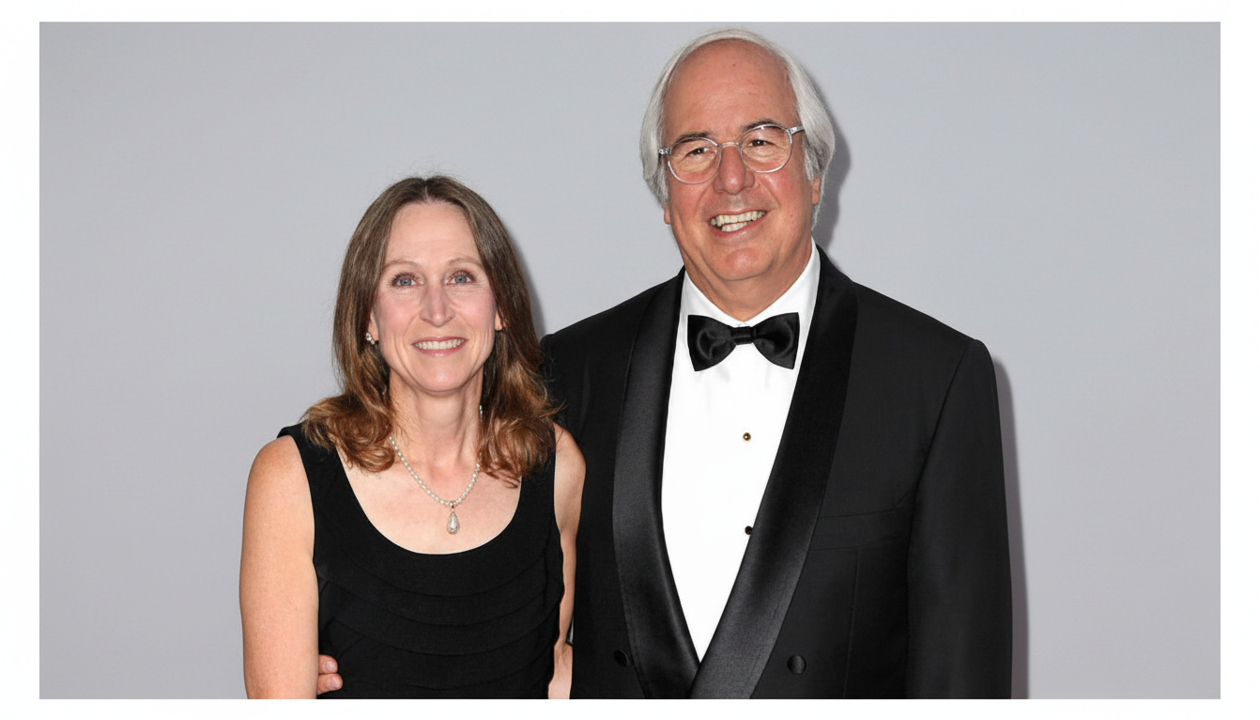
James Heale has emerged as one of the most influential political journalists in the United Kingdom, earning recognition for his deep understanding of Westminster politics, insightful reporting, and ability to explain complex political developments to a broad audience. As British politics has undergone dramatic changes in recent years—from Brexit and multiple Conservative leadership contests to shifting electoral landscapes and the rise of new political movements—Heale has been at the forefront of reporting and analysis.
Working as Deputy Political Editor at The Spectator, Heale has developed a reputation for breaking important political stories, providing insider perspectives, and offering thoughtful commentary on the personalities and decisions shaping modern Britain. His growing profile as an author, commentator, and political analyst reflects the increasing demand for journalists who can provide context rather than simply report headlines.
In an era characterized by rapid news cycles and political uncertainty, James Heale stands out for his detailed knowledge of government, party politics, elections, and public policy. His work has become essential reading for politicians, journalists, policy professionals, and citizens interested in understanding how British politics operates behind the scenes.
Early Life and Educational Foundations
Although James Heale is a prominent public figure within political journalism, relatively little is publicly known about his private life. Unlike many media personalities who cultivate public personas through extensive social media engagement or personal interviews, Heale has largely maintained a professional focus throughout his career. This approach has allowed attention to remain on his reporting rather than on his personal background.
His path into journalism appears to have been shaped by a strong interest in politics, public affairs, and current events. Political journalism requires an unusual combination of skills, including analytical thinking, research ability, communication expertise, and a deep understanding of governmental institutions. These qualities have become hallmarks of Heale’s work and suggest years of study and professional development.
Like many successful political correspondents, Heale likely developed his understanding of politics through a combination of academic learning and practical reporting experience. The complexity of Westminster politics demands extensive knowledge of parliamentary procedures, party structures, constitutional issues, and public policy. His later success demonstrates a mastery of these subjects that has helped distinguish him from many contemporaries.
Entering the World of Political Journalism
Political journalism is among the most challenging areas of reporting. Journalists covering politics must navigate constantly evolving stories, maintain extensive professional networks, verify information quickly, and interpret events with accuracy. James Heale built his career by successfully meeting these challenges.
During the early stages of his professional journey, Heale focused on understanding the mechanisms of British politics. Rather than merely covering political events as they happened, he developed expertise in the motivations, strategies, and internal dynamics that often determine political outcomes. This deeper understanding became one of his greatest strengths as a reporter.
Building credibility in political journalism takes time. Reporters must earn the trust of sources, demonstrate consistent accuracy, and develop a reputation for fair analysis. Through years of reporting, Heale gradually established himself as a reliable observer of Westminster, capable of explaining both public events and behind-the-scenes developments.
As Britain’s political environment became increasingly turbulent following the Brexit referendum, opportunities emerged for journalists who could provide meaningful analysis. Heale was well positioned to capitalize on this demand, helping readers navigate one of the most transformative periods in modern British political history.
The Spectator and His Rise to Prominence
A defining chapter in James Heale’s career has been his work with The Spectator, one of Britain’s most respected and influential political publications. Founded in 1828, the magazine has long served as an important platform for political commentary, analysis, and intellectual debate.
As Deputy Political Editor, Heale occupies a key position within the publication. His responsibilities include covering government decisions, leadership contests, election campaigns, policy developments, and major political events. Through this role, he has gained access to some of the most significant figures and discussions shaping British politics.
His reporting frequently explores the strategies employed by political parties and government officials. Rather than focusing solely on public statements, Heale often examines the calculations, negotiations, and internal disagreements that influence policy decisions. This approach has helped readers gain a more complete understanding of political developments.
The visibility provided by The Spectator has significantly enhanced Heale’s reputation. Articles published through the magazine often influence wider media discussions, allowing his analysis to reach audiences far beyond the publication’s traditional readership.
Expertise in Westminster Politics
One of James Heale’s greatest professional strengths is his expertise in Westminster politics. Westminster is not simply the location of the British Parliament; it is also the center of political power, where government ministers, opposition leaders, advisers, civil servants, and journalists interact daily.
Covering Westminster effectively requires more than reporting speeches and votes. Journalists must understand party factions, leadership ambitions, policy priorities, and personal relationships. Heale has consistently demonstrated an ability to identify the factors driving political decisions before they become publicly apparent.
His reporting often focuses on leadership dynamics within the Conservative Party and Labour Party. Leadership contests, cabinet reshuffles, policy disagreements, and electoral strategies have been recurring themes in his work. These stories help readers understand how internal party politics can influence national governance.
Westminster politics is often shaped by events occurring away from public view. Through extensive source networks and careful analysis, Heale has become known for uncovering insights that provide readers with a deeper understanding of political developments.
Reporting During a Transformative Era in British Politics
James Heale’s career has coincided with one of the most extraordinary periods in recent British political history. The Brexit referendum, negotiations over Britain’s departure from the European Union, multiple prime ministers, leadership contests, economic crises, and changing voter behavior have transformed the political landscape.
Throughout these developments, Heale has consistently provided analysis that places events within a broader context. Rather than treating each political controversy as an isolated story, he often examines how it fits into larger trends affecting government, political parties, and public opinion.
His work has covered the leaderships of figures such as Boris Johnson, Liz Truss, Rishi Sunak, and other major political personalities. By following these leaders closely, Heale has developed a nuanced understanding of the challenges facing modern British governments.
The rapid pace of political change has increased the importance of journalists who can separate short-term controversies from long-term developments. Heale’s reporting frequently identifies structural shifts in British politics that continue to shape the country’s future.
The Success of Out of the Blue
James Heale further expanded his reputation through his work as an author. Together with fellow journalist Harry Cole, he co-authored Out of the Blue: The Rise and Fall of Liz Truss, a detailed examination of one of the most dramatic episodes in British political history.
Liz Truss’s premiership was remarkably brief but enormously consequential. Her government’s economic agenda, market reaction, political challenges, and eventual collapse created significant uncertainty within Britain. The story attracted international attention and generated widespread public interest.
The book explores how Truss rose to political prominence, secured the Conservative leadership, entered Downing Street, and ultimately left office after a historically short tenure. Drawing upon extensive reporting and political analysis, the authors provide readers with a detailed account of the events that shaped her administration.
The success of the book demonstrated Heale’s ability to move beyond daily journalism and produce comprehensive political narratives. It also reinforced his status as a knowledgeable observer of contemporary British politics.
Journalism Style and Analytical Approach
James Heale’s reporting style combines factual accuracy with analytical depth. In a media environment where speed often takes precedence over substance, his work is notable for its emphasis on context and explanation.
Political journalism can sometimes become inaccessible due to technical language, procedural details, and institutional complexity. Heale addresses this challenge by presenting information in a clear and engaging manner. His writing allows readers without specialized political knowledge to understand significant developments.
Another defining characteristic of his work is attention to political personalities. Governments and political parties are ultimately shaped by individuals with distinct ambitions, beliefs, and leadership styles. Heale often explores these human dimensions, providing insights into how personal relationships influence political outcomes.
His analytical approach has helped distinguish him from journalists who focus exclusively on breaking news. By examining motivations, consequences, and broader trends, he provides readers with a deeper understanding of political events.
Influence on Modern Political Commentary
Beyond traditional journalism, James Heale has become an increasingly influential commentator on British political affairs. His insights are frequently discussed across media platforms, political circles, and policy communities.
Modern political journalism increasingly extends beyond newspapers and magazines. Podcasts, television appearances, public events, and digital media have created new opportunities for journalists to engage audiences. Heale has successfully adapted to this changing environment while maintaining his focus on substantive political analysis.
His influence stems from a combination of expertise, credibility, and access. Readers and viewers value commentators who possess genuine knowledge rather than simply offering opinions. Heale’s years of reporting have given him the authority necessary to contribute meaningfully to political discussions.
As public interest in political analysis continues to grow, journalists like Heale play an important role in helping citizens understand government actions, policy debates, and electoral developments. His work contributes to informed democratic participation and public accountability.
Read more: james heale
Future Prospects and Continuing Relevance
The future appears bright for James Heale as both a journalist and author. British politics remains highly dynamic, with ongoing debates about economic policy, constitutional reform, immigration, public services, international relations, and party competition. These issues ensure continued demand for informed political analysis.
His ongoing reporting at The Spectator positions him to remain closely connected to major political developments. At the same time, his success as an author suggests opportunities for future books examining significant moments and personalities in British politics.
The media industry continues to evolve rapidly, but expertise remains valuable. Journalists capable of combining accurate reporting with thoughtful analysis are likely to remain influential regardless of technological changes. Heale’s career demonstrates the enduring importance of specialist knowledge in political journalism.
As new political challenges emerge and Britain enters new phases of political development, James Heale is expected to remain among the leading voices interpreting those events for readers and audiences across the country.
Conclusion
James Heale has established himself as one of the most respected political journalists of his generation. Through his work at The Spectator, his authorship of major political books, and his extensive reporting on Westminster, he has built a reputation for accuracy, insight, and thoughtful analysis. His ability to explain complex political developments while uncovering the deeper forces shaping government decisions has made him a trusted source for readers seeking to understand modern British politics.
As British political life continues to evolve, Heale’s expertise, journalistic integrity, and analytical approach ensure that his influence will likely continue to grow. Whether reporting from Westminster, writing books on major political figures, or contributing to broader public debate, James Heale remains an important figure in contemporary political journalism and a key observer of Britain’s political future.