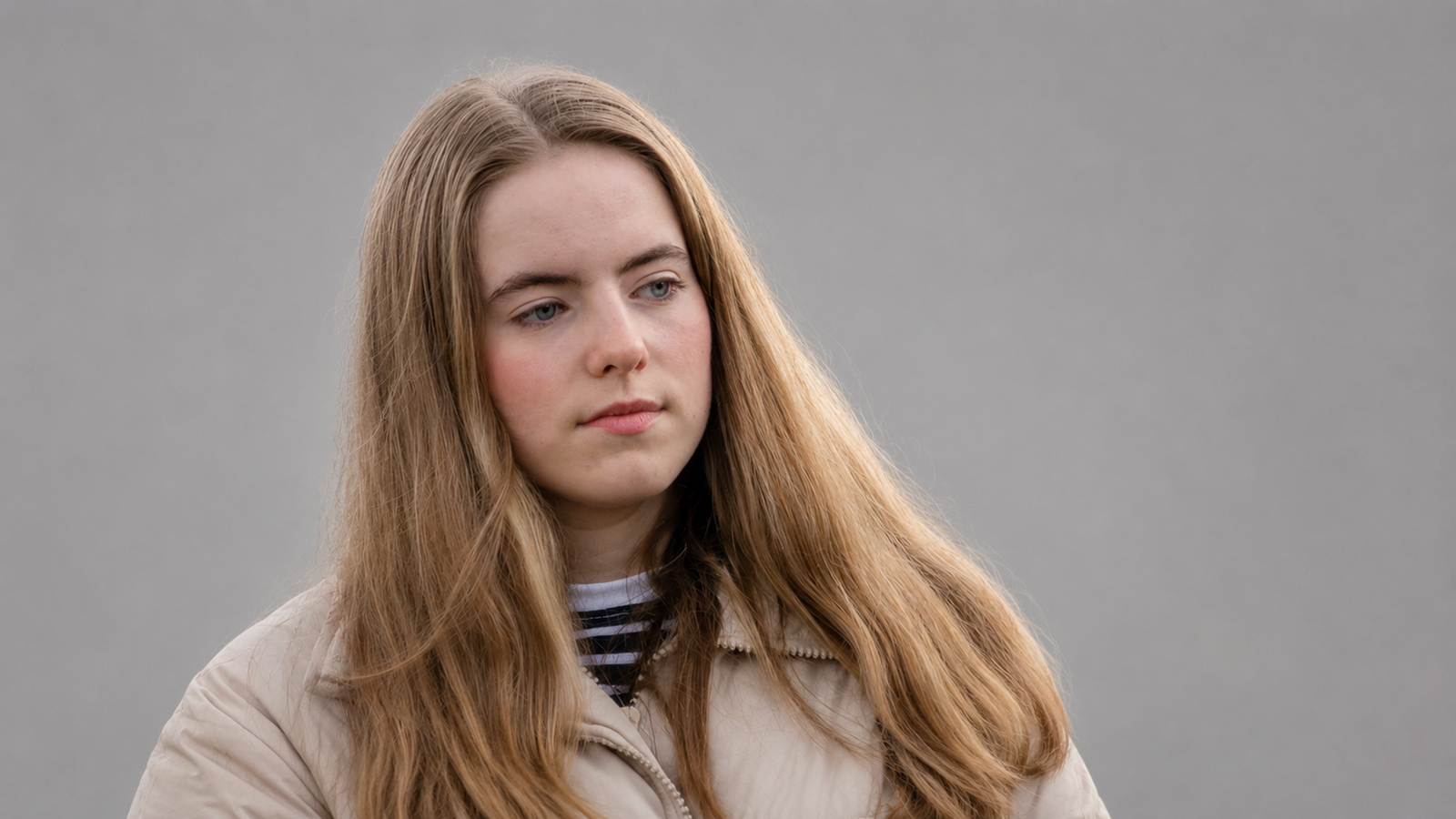
Amelie McCann is widely known as the younger sister of Madeleine McCann, the British child whose disappearance in 2007 in Praia da Luz, Portugal, became one of the most heavily reported missing-person cases in modern history. Although Amelie herself is not a public figure, her name is often searched in connection with the McCann family, particularly alongside keywords such as “Madeleine McCann sister,” “McCann twins Sean and Amelie,” and “Kate and Gerry McCann children.”
Born in 2005, Amelie is one of the McCann twins, alongside her brother Sean McCann. While global attention has long focused on the disappearance of Madeleine, Amelie’s life has unfolded largely in privacy under the care of her parents. This article explores her background, family context, upbringing, media attention, and her place within one of the most widely discussed true-crime cases of the 21st century.
The McCann Family Background and Public Attention
The McCann family consists of Kate McCann and Gerry McCann, both British medical professionals, and their three children: Madeleine, born in 2003, and twins Sean and Amelie, born in 2005. Before 2007, they lived a relatively ordinary family life in the United Kingdom, primarily in Leicestershire.
Everything changed when Madeleine McCann disappeared during a family holiday in Portugal. The case quickly became international news, drawing attention from law enforcement agencies, governments, and global media outlets. It remains an active missing-person investigation, with periodic updates continuing to attract worldwide interest.
In the midst of this global attention, Amelie McCann and her twin brother Sean were very young. The McCann family was suddenly placed under intense scrutiny, and every aspect of their private life became a subject of public discussion. Despite this, the family made consistent efforts to protect the twins from unnecessary exposure, focusing on stability and emotional security.
Early Childhood of Amelie McCann and Her Twin Bond
Amelie McCann’s early childhood was shaped by both normal family life and extraordinary circumstances. As a twin, she shared her early developmental years closely with her brother Sean McCann, forming a strong sibling bond that became even more important after the disappearance of their sister.
Psychologically, twin relationships are often associated with strong emotional dependency and shared identity during childhood. In Amelie’s case, this bond likely provided additional emotional grounding during a time of uncertainty and public attention surrounding her family.
Although she was too young to fully understand the global scale of the Madeleine McCann case at the time, she grew up in an environment where her sister’s disappearance was a known and deeply sensitive part of family life. This shaped her childhood experience in a way that differs significantly from most children of her generation.
Growing Up in the Shadow of a Global Case
The disappearance of Madeleine McCann is often described as one of the most widely covered missing-child cases in modern history. For Amelie McCann, growing up in the aftermath of such a case meant living in a unique psychological and social environment.
Unlike typical family tragedies, this case was continuously present in international media. Over the years, documentaries, news updates, and public speculation kept the story alive. This created a situation where Amelie’s family history was not private but globally recognized.
Despite this, her parents made deliberate efforts to shield her from excessive media exposure. The McCann twins were raised with a focus on normal routines, education, and emotional protection. This approach reflects a broader understanding among psychologists and child development experts that children in high-profile families benefit significantly from structured privacy and consistent environments.
Media Coverage and Privacy Concerns Around Amelie McCann
Although Amelie McCann is not a public figure, her name frequently appears in online searches due to her connection to Madeleine McCann. However, responsible media coverage has generally respected the McCann family’s request for privacy regarding their younger children.
In the early years following Madeleine’s disappearance, global media attention was intense and often invasive. Over time, however, reporting standards evolved, with greater emphasis placed on protecting the privacy of Sean and Amelie. This shift reflects broader discussions in journalism ethics about safeguarding minors connected to high-profile cases.
When Amelie does appear in public contexts, it is typically in relation to family events or anniversary moments connected to Madeleine. These appearances are rare and carefully managed. The McCann family has consistently emphasized that their younger children should not be defined solely by their sister’s case.
Education and Development in a Private Environment
Amelie McCann’s education has been deliberately kept private, reflecting her family’s strong commitment to shielding her from public scrutiny. While specific details about her schooling are not publicly disclosed, it is understood that she has attended school in the United Kingdom and has been able to experience a relatively stable academic environment.
Privacy in education is especially important for children linked to high-profile cases. It allows them to develop identity, confidence, and independence without the pressure of media narratives. In Amelie’s case, this has likely played a significant role in ensuring a more balanced upbringing despite her family’s public history.
Her development into adolescence and early adulthood has remained largely out of the public eye. This absence of information is intentional and reflects the McCann family’s long-standing effort to prioritize normality over visibility.
The Psychological Impact of an Unresolved Family Case
Growing up with the unresolved disappearance of a sibling can have long-term emotional implications. In Amelie McCann’s case, this reality has been present throughout her life, shaping both her family dynamics and personal understanding of loss and uncertainty.
The McCann family has had to navigate ongoing public speculation, media attention, and legal developments related to the case. For children within such families, psychologists often emphasize the importance of communication, emotional support, and controlled exposure to information.
While Amelie has not spoken publicly about the case, it is widely understood that her upbringing has involved careful and age-appropriate discussions about her sister Madeleine. This approach helps balance awareness with emotional protection, allowing her to process her family history in a supportive environment.
Public Interest, Online Searches, and Misconceptions
Search interest in “Amelie McCann age,” “Madeleine McCann sister,” and “McCann twins Sean and Amelie” remains consistently high, largely due to global curiosity surrounding the disappearance of Madeleine McCann. However, this interest often leads to confusion or misinformation about Amelie herself.
It is important to understand that Amelie is not a public personality and does not have a media or public-facing role. Much of what circulates online is based on limited verified information combined with speculation. Responsible reporting emphasizes the distinction between public cases and private individuals connected to them.
Over the years, the McCann family has actively sought to manage misinformation and protect the privacy of their children. This includes discouraging intrusive reporting and emphasizing respect for their personal boundaries.
Read more: amelie mccann
Current Life of Amelie McCann and Family Privacy
As of recent years, Amelie McCann continues to live a private life in the United Kingdom. Now transitioning into adulthood, she remains largely outside the media spotlight, with only occasional references in relation to family updates or commemorations connected to Madeleine McCann.
Her life reflects a strong emphasis on normal development, independence, and privacy. Unlike her sister Madeleine, whose case became a global phenomenon, Amelie has been intentionally kept away from public visibility.
The McCann family continues to balance two parallel realities: the ongoing search for answers about Madeleine and the need to ensure a stable, private life for their remaining children. In this context, Amelie represents resilience, privacy, and the importance of protecting identity beyond public narratives.
Conclusion
Amelie McCann’s life is deeply connected to one of the most widely known missing-person cases in the world, yet she remains a private individual who has grown up largely outside public attention. As the daughter of Kate and Gerry McCann and the twin sister of Sean McCann, her identity is rooted in a family that has experienced both extraordinary tragedy and enduring global scrutiny.
Despite this, Amelie’s upbringing has been shaped by careful protection, emotional support, and a strong emphasis on normality. While public interest in the McCann family remains high, her personal life continues to be respectfully kept out of the media spotlight.
Ultimately, understanding Amelie McCann requires recognizing the boundary between public curiosity and private life. Her story is not one of public visibility, but of growing up with resilience in the shadow of an ongoing and deeply significant family case.