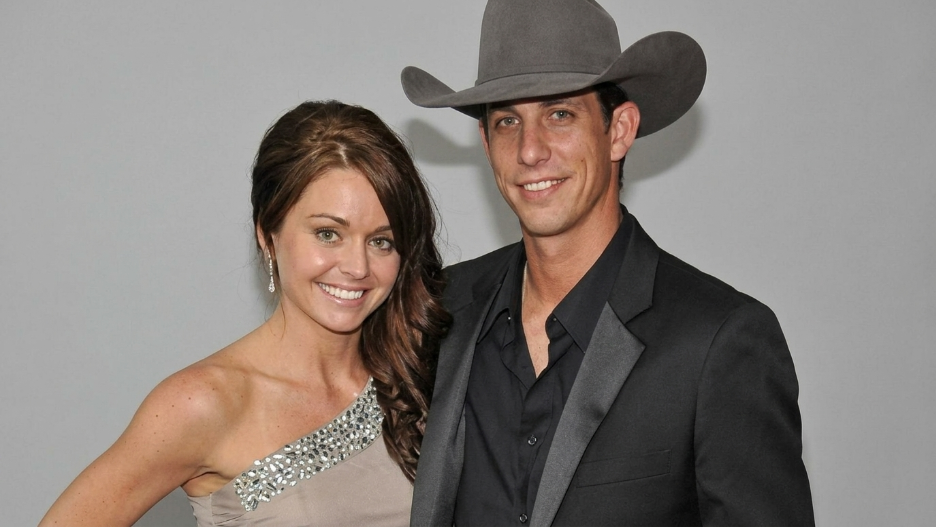
Rachel Kinnock is a British communications and media professional best known as the daughter of former Labour Party leader Neil Kinnock and respected politician and educator Glenys Kinnock. Born into one of the most influential political families in modern British history, she has grown up surrounded by politics, public service, and international affairs. Despite this background, she has largely chosen a private life and a professional path outside frontline politics.
Her story is often discussed in the context of political legacy, family influence, and the evolving role of children of prominent political figures in the UK. While she is not a public politician, Rachel Kinnock’s name continues to appear in discussions about media production, communications, and the broader Kinnock family history. Her life reflects a balance between inherited public attention and personal independence.
Early Life and Family Background
Rachel Kinnock was born into a politically active household where public service and debate were part of everyday life. Her father, Neil Kinnock, served as Leader of the Labour Party from 1983 to 1992 and later became a senior figure in European politics. Her mother, Glenys Kinnock, was a Member of the European Parliament and later served as a UK government minister focused on international development and human rights.
Growing up in this environment meant Rachel was exposed early to discussions about governance, social justice, and global issues. The household was closely connected to political movements, campaigns, and public events, which shaped her understanding of how political systems and public communication operate. Even though she was not directly involved in politics, her upbringing placed her close to influential political thinking and decision-making.
Family accounts and biographical sources highlight that the Kinnock household emphasized education, discipline, and social responsibility. This combination of political exposure and stable family values contributed to Rachel’s later interest in communication, storytelling, and media production rather than formal political engagement.
Education and Personal Development
Rachel Kinnock’s education and early development were shaped by a strong intellectual and political environment. While detailed public records of her academic journey remain limited due to her private lifestyle, she is widely understood to have benefited from a well-rounded education influenced by her family’s emphasis on public service and critical thinking.
Her personal development was strongly influenced by observing both parents in public life. Neil Kinnock’s experience as a political leader and Glenys Kinnock’s work in international development exposed her to leadership, advocacy, and communication at a high level. This environment naturally encouraged skills such as analysis, empathy, and understanding of public messaging.
Rather than following a political path, Rachel appears to have developed interests in creative and media-related fields. This shift reflects a broader trend among individuals from political families who choose careers in communication, production, or advocacy work instead of electoral politics. Her development shows how family legacy can shape values without determining career direction.
Professional Career in Media and Communications
Rachel Kinnock built her professional career in media production and communications, working primarily behind the scenes rather than in public-facing roles. According to available biographical sources, she has been associated with film and television production work, including contributions to well-known film projects such as My Life So Far, The Little Vampire, and I Dreamed of Africa.
Her work in production involved coordination, organization, and communication within complex creative environments. Film production requires the ability to manage schedules, support teams, and ensure smooth collaboration between departments, all of which reflect strong organizational and interpersonal skills. These roles are often demanding and require both creative awareness and practical problem-solving abilities.
Over time, Rachel’s career path expanded into communications and strategic messaging. This area of work is closely connected to media, public affairs, and organizational storytelling. Her background likely gave her a natural understanding of how narratives are shaped and how audiences respond to information, especially given her upbringing in a politically active household.
Influence of Neil Kinnock on Her Life
Neil Kinnock’s political career had a significant indirect influence on Rachel Kinnock’s worldview and development. As one of the most prominent figures in the Labour Party during the 1980s, he played a major role in modernizing the party and reshaping its public image. His leadership placed the Kinnock family at the center of British political attention for many years.
Growing up as the daughter of a party leader meant Rachel experienced both the visibility and pressures of public life. Media coverage, political discussions, and public scrutiny were part of her family environment. This likely contributed to her understanding of how political communication and media narratives are constructed and managed.
However, rather than stepping into politics herself, Rachel appears to have taken inspiration from the communication aspects of her father’s career rather than its political demands. Her professional direction reflects an appreciation for storytelling and messaging without seeking direct political power or public office.
Relationship with Glenys Kinnock’s Legacy
Rachel Kinnock’s mother, Glenys Kinnock, played an equally important role in shaping her perspective. Glenys was known for her work in education, European politics, and international development. She was a strong advocate for human rights, feminism, and global poverty reduction, building a reputation as an independent political figure in her own right.
This maternal influence exposed Rachel to global humanitarian issues and advocacy work from an early age. Glenys Kinnock’s career demonstrated that political engagement can take many forms beyond party leadership, including international cooperation and policy advocacy. These values likely influenced Rachel’s broader worldview and ethical outlook.
The combination of her father’s political leadership and her mother’s advocacy work created a balanced environment of public service and global awareness. This dual influence helped shape Rachel’s appreciation for communication, responsibility, and meaningful professional contribution outside of politics.
Private Life and Family Connections
Rachel Kinnock has maintained a relatively private personal life compared to her well-known family members. She is married to Stuart Bentham, and available records indicate that the couple married in 2001. Despite her family’s public profile, she has largely avoided media attention and does not appear frequently in public discussions.
Her decision to maintain privacy reflects a clear preference for separating personal life from public legacy. This is particularly notable given the high level of media interest often associated with political families in the UK. By staying outside the public spotlight, she has created a more independent identity.
Family relationships remain an important part of her life. She is the sister of Stephen Kinnock, a British politician and Member of Parliament. The wider Kinnock family has remained closely connected over the years, often appearing together during significant public events, including tributes and memorials for Glenys Kinnock in 2023.
Read more: rachel kinnock
Public Perception and Media Attention
Public interest in Rachel Kinnock is primarily driven by her family background rather than her personal media presence. She is often mentioned in biographical discussions about the Kinnock family, especially in relation to Neil and Glenys Kinnock’s political legacy.
Media coverage of Rachel tends to focus on her role as part of a politically significant family rather than as a public figure in her own right. Unlike many children of politicians who enter public office or media commentary, she has chosen a quieter professional life, which has contributed to a more limited public profile.
This restrained visibility has shaped a perception of Rachel as a private and professionally focused individual. Her story is often used to illustrate how individuals from high-profile families can choose independent paths outside of political or media fame.
Conclusion
Rachel Kinnock’s life represents a thoughtful balance between inherited political legacy and personal independence. Born into one of Britain’s most influential political families, she was surrounded by leadership, public service, and international political discourse from an early age. However, she chose a professional path in media production and communications rather than following her parents into politics.
Her journey highlights the importance of individual identity within well-known families. While her surname is closely linked to British political history, her career reflects her own interests, skills, and choices. She has built a life focused on communication, production, and behind-the-scenes professional work, maintaining privacy and independence in the process.
Ultimately, Rachel Kinnock’s story is not defined by public office or political ambition, but by quiet professionalism and personal autonomy. Her life demonstrates that legacy can influence direction, but it does not determine destiny, and that meaningful careers can be built away from the spotlight while still carrying forward values of public service and communication.