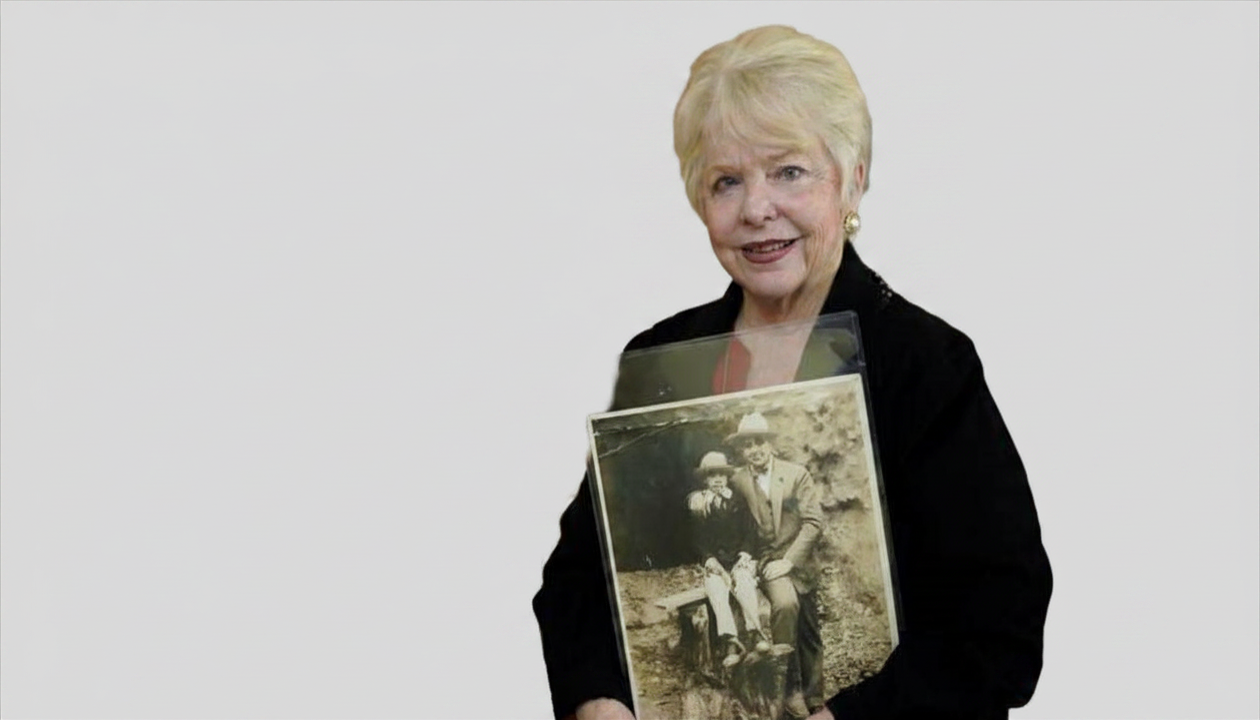
Introduction to Veronica Capone and Public Curiosity Around Her Name
Veronica Capone is a name that frequently appears in online searches connected to the famous Capone family, one of the most well-known names in American criminal history. The Capone surname is primarily associated with Al Capone, the Prohibition-era gangster whose activities in Chicago made him a global figure in organized crime history. Because of this connection, any individual linked to the Capone lineage naturally draws public curiosity, including Veronica Capone.
Despite this interest, Veronica Capone is not a public celebrity or widely documented historical figure. Instead, she is understood to be part of the extended family tree of Al Capone’s descendants. Much of the online attention around her comes from genealogical curiosity and modern digital searches rather than confirmed media presence or public records. This makes her identity a mix of verified family association and limited publicly available biographical detail.
Understanding Veronica Capone requires looking beyond surface-level search results and exploring the broader Capone family history, generational shifts, and how descendants of infamous historical figures often live private lives far removed from their ancestor’s reputation.
The Historical Weight of the Capone Family Name
The Capone family name carries significant historical weight due to Al Capone’s influence during the 1920s and early 1930s in the United States. Al Capone became a symbol of organized crime during the Prohibition era, when illegal alcohol distribution networks and gang conflicts shaped urban American life. His operations in Chicago made him one of the most heavily documented figures in criminal history.
However, what is often overlooked is the long-term impact this notoriety had on his descendants. While Al Capone himself became a cultural icon in crime history, his family faced the challenge of living under constant public association with his actions. This created a generational divide between historical legacy and personal identity, something that is important when discussing figures like Veronica Capone.
Over time, the Capone family gradually distanced itself from public attention. After Al Capone’s imprisonment and eventual death, the family structure shifted toward privacy, stability, and reinvention. This historical transition laid the foundation for how later descendants, including Veronica Capone’s generation, would live their lives.
Understanding the Capone Family Lineage and Veronica Capone’s Place in It
Veronica Capone is generally associated with the extended descendants of Al Capone through his only son, Albert Francis “Sonny” Capone. Sonny Capone represents the continuation of the family line after Al Capone’s era, and he is often described in historical accounts as having lived a more private and law-abiding life compared to his father.
The Capone family tree is relatively limited compared to many historical dynasties, which makes each descendant more noticeable in public curiosity. However, documentation on later generations is often incomplete or inconsistent in online sources. This is one reason why Veronica Capone’s exact biographical details are not widely standardized in historical archives.
What can be understood with reasonable certainty is that Veronica Capone belongs to a generation of descendants who inherited a famous surname but not the public lifestyle or criminal associations tied to it. Her place in the lineage reflects a continuation of family identity rather than public notoriety.
The Life of Sonny Capone and the Shift Toward Privacy
Albert Francis “Sonny” Capone, Al Capone’s son, played a key role in redefining the family’s post-crime-era identity. Unlike his father, Sonny Capone did not engage in criminal activity and instead pursued a relatively quiet and stable life. He eventually settled in Florida, where he worked in various civilian roles and maintained a low public profile.
This shift is important because it represents the beginning of the Capone family’s transition away from public criminal association. Sonny Capone’s life choices created a foundation for later generations, including Veronica Capone’s branch of the family, to grow up in environments that prioritized normalcy over notoriety.
As a result, Veronica Capone’s identity is indirectly shaped by this generational change. She is part of a lineage that moved from extreme public attention to intentional privacy, reflecting a broader desire within the family to separate personal identity from historical reputation.
Public Curiosity and Digital Age Interest in Veronica Capone
In the digital age, historical curiosity has expanded significantly due to search engines, social media, and genealogy websites. Names like Veronica Capone often appear in search trends because users are interested in discovering whether famous historical figures have living descendants and what their lives look like today.
This curiosity is amplified by the cultural fascination with organized crime history, especially figures like Al Capone. Documentaries, films, and books have kept his legacy alive, which naturally leads audiences to question what happened to his family. Veronica Capone’s name surfaces in this context, even when there is limited direct information about her personal life.
However, this attention is mostly informational rather than factual reporting. It highlights how modern internet culture often blends verified historical data with incomplete genealogical interpretation, especially when dealing with private individuals.
Privacy and the Modern Capone Generations
One of the defining features of Veronica Capone’s public identity is privacy. Unlike celebrities or public figures, she does not appear to have pursued media exposure, interviews, or public storytelling about her family history. This reflects a broader pattern among descendants of historically controversial families who choose to live quietly.
Privacy in such families is often a conscious decision. It allows individuals to separate themselves from historical narratives that they did not create but are still associated with. For Veronica Capone, this likely means maintaining a life that is disconnected from the public fascination surrounding the Capone name.
This approach also demonstrates how family identity evolves over time. While the Capone surname remains globally recognizable, its modern bearers often live lives that are completely ordinary and unrelated to historical events.
Misinformation, Online Confusion, and Identity Challenges
A major issue in understanding Veronica Capone is the presence of misinformation and online confusion. Because the Capone name is widely recognized, it is sometimes incorrectly linked to unrelated individuals or fictional narratives. This creates difficulty in separating verified family history from speculation.
Additionally, the lack of official public documentation about private descendants means that online sources often repeat unverified or generalized information. This is common in genealogical discussions involving famous historical figures, where curiosity sometimes outpaces factual reporting.
As a result, readers researching Veronica Capone must approach available information with caution. Reliable understanding depends more on confirmed family lineage context than on isolated online claims.
Read more: veronica capone
Cultural Impact of Al Capone and Its Effect on Descendants
Al Capone’s cultural impact continues to influence how the public views his descendants. His life has been widely dramatized in films, television series, and literature, turning him into a symbolic figure of American organized crime history. This cultural representation keeps the Capone name active in public consciousness.
For descendants like Veronica Capone, this cultural legacy creates an inherited identity challenge. While they may not be involved in any historical or criminal context, their surname automatically links them to a highly dramatized past. This can shape public perception even when their personal lives are completely separate from history.
At the same time, this legacy also contributes to ongoing interest in the Capone family tree. Veronica Capone’s name appears within this broader cultural narrative, not as a public figure, but as part of the continuing story of a historically significant surname.
Conclusion: Veronica Capone and the Evolution of a Historical Family Name
Veronica Capone represents a modern branch of one of the most historically recognized families in American history. While her surname is associated with Al Capone’s legacy, her life reflects a very different reality—one defined by privacy, generational distance from crime history, and a focus on personal identity rather than public attention.
The Capone family story illustrates how historical legacies evolve over time. What began as a highly public and controversial criminal empire has transformed into a quiet lineage of descendants living ordinary lives. Veronica Capone stands as part of this transformation, symbolizing how family names carry history forward even when individuals choose to live outside of it.
Ultimately, Veronica Capone’s significance lies not in public fame but in what she represents: the natural fading of historical notoriety into private modern life, where identity is shaped more by personal choice than by ancestral reputation.